Soot Removal in Garnett, KS
Soot is not dust, and treating it like dust is how walls get ruined. It is acidic, oily or powdery depending on what burned, and each type needs a different method. Calling +1-866-475-2701 routes you to an independent soot specialist near Garnett who carries licensing and insurance.
- Soot type identified before cleaning
- Dry sponge, solvent and blasting methods
- Licensed and insured independent specialists
The Furnace Coughed Once and the Whole House Turned Black
A puff-back happens when an oil burner misfires and unburned fuel ignites inside the combustion chamber. The small explosion forces fine, oily soot out through the flue joints and into the ductwork, and the blower spreads it through every room. Many people find it in the morning as dark streaks above each vent and an oily film on counters.
Puff-back soot is some of the hardest residue to clean because it is oily and extremely fine. Wiping it with a damp cloth smears it into paint. Crews begin with HEPA vacuums and dry sponges, then switch to solvent cleaners suited to oily residue. The furnace itself needs service from a licensed heating technician before it runs again.
The Right Soot Removal Specialist in Garnett, KS
Soot work is done by independent specialists, and Shree Sainath Fire Safety simply routes your call for free. Expect these from a good one.
The Right Method for Each Soot Type
Each tool, from dry sponges to dry ice blasting, matches a specific residue and surface. A specialist picks based on testing.
Same-Day Local Dispatch
Acidic soot starts etching glass and pitting chrome within days. Calls are routed to independent specialists close enough to start quickly.
Written Estimate First
You get a written estimate based on square footage, soot type and surfaces before cleaning begins.
Licensed and Insured Independent Specialists
Ask any specialist for proof of liability insurance before work starts.
Soot Removal Solutions
Different fires leave different soot, and each one gets its own method.
Dry Soot Removal
Hot, fast fires of paper and wood leave dry, powdery soot. HEPA vacuums and vulcanized-rubber dry sponges remove it cleanly.
Oily and Wet Soot Cleaning
Low-heat fires of plastic and oil leave greasy soot that streaks. Solvent-based degreasers follow dry removal.
Protein Residue Removal
Burned food leaves a near-invisible yellowish film with heavy odor. Enzyme and degreasing cleaners break it down.
Soda and Dry Ice Blasting
Exposed framing, brick and sheathing can be blasted clean without adding water. Dry ice leaves no media behind.
Brick, Stone and Fireplace Soot
Brick and stone trap soot in their pores. Alkaline masonry cleaners, poultices or blasting pull it out.
Metal, Glass and Fixture Cleaning
Chrome, brass, glass and appliance finishes are cleaned early before acids etch them.
How Soot Removal Works
Most single-floor soot jobs take two to four days.
Call and Describe the Residue
Ring +1-866-475-2701 and describe the source and whether the film smears.
Specialist Arrives and Tests
The specialist tests several surfaces to identify the residue.
Method and Price in Writing
A written estimate lists the method for each surface and the cost.
Removal and Final Check
The crew removes soot from the top down and walks the rooms with you under bright light to check for streaks.
Do Not Wipe That Soot. Call a Specialist.
Glass and chrome can be permanently etched within a week. Ring the line now to get an independent soot specialist from the Garnett area out to test the residue.
Talk to Dispatch at +1-866-475-2701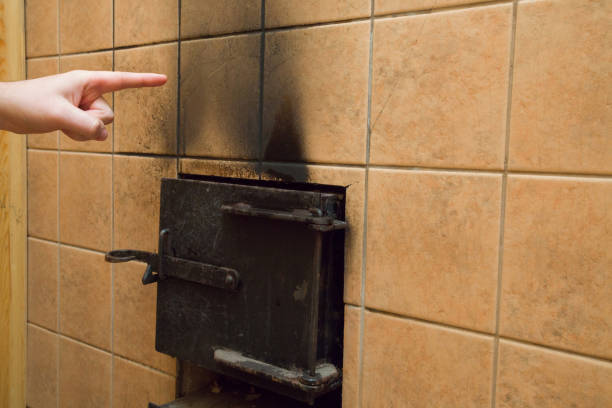
Real Soot Removal Experiences
We had an overnight puff-back from the oil furnace. Black streaks above every vent. The specialist explained the soot was oily and used a solvent cleaner after dry sponging. Walls are back to white.
After a chimney fire, the brick wall around our fireplace was black. They used a poultice on the brick and it came out far better than I expected.
Soot coated the rafters above our garage. Dry ice blasting cleaned it without soaking the wood, and the contractor sealed it afterward.
Soot Removal Questions
What is a furnace puff-back?
It happens when unburned oil ignites inside the burner and forces soot through the ducts. Do not run the furnace again until a heating technician services it.
Why can't I wipe soot off with water?
Wet wiping smears soot into paint and pores, especially the oily kind. Dry removal with HEPA vacuums and dry sponges comes first.
How is soot removed from brick and stone?
Specialists use alkaline masonry cleaners, poultices that draw soot out of pores, or soda and dry ice blasting, depending on how deep the soot went.
Can soot damage electronics?
Yes. Acidic, conductive soot can corrode circuits and connectors. Do not power on heavily coated electronics until they are inspected.
What is soda blasting?
It is a method that blasts baking soda media at framing or masonry to strip soot and light char, without gouging the surface.
How fast does soot cause permanent damage?
Discoloration can begin on plastics within hours. Glass etching and metal corrosion can set in over one to two weeks.
Where We Route Soot Removal Calls
Soot calls come in from homes, condos and small shops throughout Garnett. Puff-back calls are most common in older homes still on oil heat.
Referral notice: Shree Sainath Fire Safety connects callers with independent contractors and is not the contractor. Verify license and insurance before work begins.
Get Help Now: +1-866-475-2701